
If you ask me, there are too many hot tips, cool trends, inside info and "secrets to success" to mention.
Talk to a script reader, director, producer, and professor about how to write a successful screenplay and get four different answers. Let's assume you're not looking for the shortcuts, and you've already figured out that screenwriting is not the same as writing short stories or novels in content or execution. You know to use Courier 12-point font and not to print your hardcopy on fluorescent pink paper...
So how do you write a great screenplay?
I'd start by defining what you think that means. What are your favorite movies and why? What about the story, characters, and dialogue moves you? Basically, start by finding your role models, and then seek what they sought. That doesn't mean become a copycat; it means strive to be great at what you do. And if that's screenwriting, then successful screenwriters make excellent mentors, whether you ever get to meet them in person or not. You can read their screenplays, watch the finished product, and glean so much insight by observation.
That's my first tip: Observe.
Observe life and how people talk and how authors write and craft worlds with words. Observe yourself and your perspectives, how life changes you, how you stay the same.
Find the story that seeps out from your soul, and write that.
You need to write.
Write screenplays, short stories, epic novels, or grocery lists--just write. Master language and story by doing it. I don't recommend any books, teachers, or courses, but I won't discount them either. You'll know what works by applying it. Whether you study for a decade or just start typing, I believe the single most important advice I can give is find your voice.
Be bold with it. Be consistent. You wanna break from convention? Okay, just make sure you own it. If your writing is compelling at all, it might make a compelling screenplay. However, that's not guaranteed.
Cinema is the combination and culmination of all other arts, and a smart screenwriter knows this. He knows how to write a blueprint for an audiovisual masterpiece. She trusts the artists and technicians to create something bigger than the words on the page, and that is the most notable difference between a novel and a screenplay. The screenplay is not the finished work. It is a literary endeavor that will be interpreted by others. Writing for the screen means respecting this and trusting it and providing a comprehensive yet concise set of details about who we're watching, what they're doing, and why. Why is perhaps the single greatest consideration.
Tap into Emotion
Movies reflect life. They portray dreams. They remind us of our past, influence our future, and provide an escape from sometimes unpleasant lives. Cinema is humanity, and when writing about humanity, all the cleverest cliches are still just that. Witty dialogue will not ensure a laugh, nor will tears engender tears, unless you tap into basic human emotion. Whether it's an explosion-a-minute action movie or a comedy that taps the pulse of pop culture, nothing is a sure thing unless the viewer can relate, in some way, to the characters, their motivations, circumstances, and the 90-120 minute world they live in.
My favorite movies are the ones that draw me into that world and leave me sad to see the credits roll, because I would prefer to stay there. Characters that I can love or hate or that reflect me back to me are the ones that keep me glued to the screen and hanging on every word. It's not about whether "it could really happen" or not. Over-the-top comedies or unbelievable sci-fi adventures can be equally successful, if the writer (and consequently the filmmakers) make me believe. If you, as the writer, can convince the reader that make-believe is believable, then you may be on the path to greatness. On that note, I personally believe that Greatness cannot be the goal. Greatness lies in practice, inspiration, dedication, and perseverance. Is there a secret to writing a great screenplay? No.
Well, yes--maybe. But you see, if there really is one, I can't tell it to you, because it's your secret, and mine is mine. That's the secret. Write well. Tell compelling stories. Do it your way. Give birth to new worlds; offer fresh perspectives on old ones. If there is a great story in you, you can write a great screenplay, simple as that.
The rest is just technique.
About the Writer
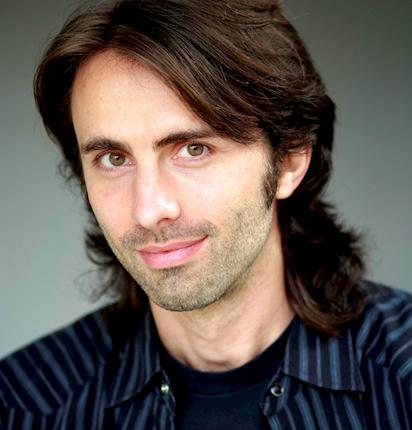 Matt Copko is a film actor/writer/director and author, based in Los Angeles. He is available for script development and production consultation for short and feature films and also considers select, completed feature films for distribution opportunities. Contact: mattcopko@gmail.com.