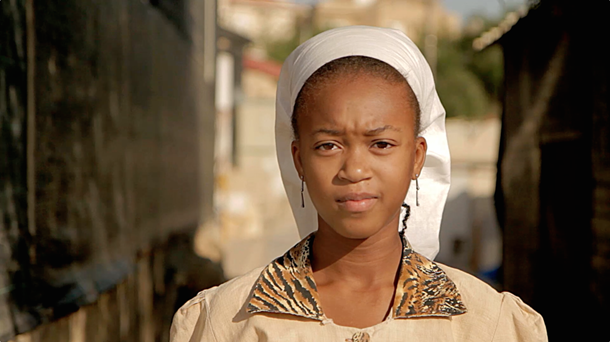
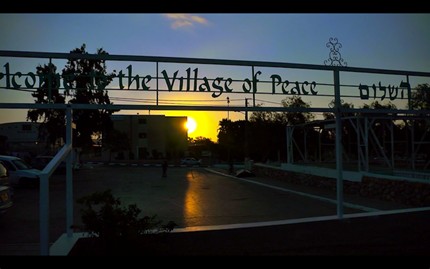
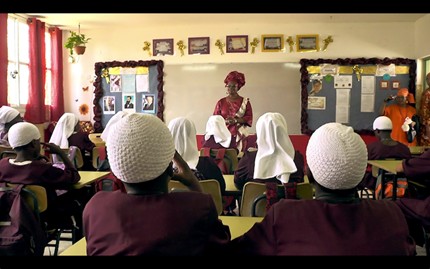
The latest buzz regarding NBA Star and Filmmaker, Amar'e Stoudemire's latest film project, The Village of Peace, tells the story of African Hebrew Israelites who move from Chicago to the Israeli desert. Gaining plenty of support from film festivals worldwide, including the Santa Barbara International Film Festival, Pan African Film Festival, San Francisco Jewish Film Festival and others, the film highlights the incredibly powerful story of African Hebrews, dating back to the Civil Rights Movement.
Director & Producer, Ben Schuder discusses the controversies of the film and its importance of releasing during Black History Month.
Here's the link to the trailer and the film:
The Village of Peace on Vimeo.
ProductionHUB: What inspired you to create and tell this story?
Ben Schuder: My brother and I were traveling around Israel and came across this place with no previous knowledge of its existence. We were blown away by the stories we heard and their culture was so different from anything I had ever seen. This group of people are African-Americans from Chicago who have been there for 40+ years, they are vegan, polygamist, and they are extremely warm and welcoming. At one point I remember hearing a young kid speak perfect English with familiar slang, and we are in the middle of the desert in the Middle East. From that point forward we wanted to make the documentary, but we had never shot anything before.
That year I teamed up with some friends, produced some music videos in the Bay Area, and one night pitched them the concept. They were as intrigued I was initially, so we raised enough funds to go out there and shoot for 12 days.
PH: *How is the film being received at film festivals worldwide (including Santa Barbara International Film Fest, Pan African Film Fest, etc.)? *
BS: The film was received very well; each festival has had a unique response but all have been overwhelmingly positive. The Pan African Film Festival in LA probably had our best audience reaction during the film and after the screening at the Q&A. The crowd really connected with the film and we had one of the subjects of the film in attendance.
PH: How did Amar'e Stoudemire, who is Executive Producer on the film, get involved?
BS: We read in the newspaper that Amar’e had visited and toured Israel, so we knew he had a connection to the land. My brother and I were living in New York during the post process, and Amar’e was playing for the Knicks.
After we shot the film and put together a trailer, we set up a twitter account and sent Amar’e a tweet with the trailer asking what he thought. We got a phone call, and a week later went to his house to screen our very rough version of the film. The footage and story sparked his interest and he joined the team!
PH: *How important is it for you to have this film be recognized during Black History Month? *
BS: Very important. It’s a part of Black History that has been largely ignored, and I think it is extremely important that their story and lifestyle is acknowledged. The film just makes that introduction to the community. I never heard about it before, the people I speak to have never heard about it. Even now with the Internet and such easy access to information it goes mostly unobserved.
I think a large part of it has to do with the fact that their ideology and/or practices don’t match with the agenda of any other group. For example, this group is vegan, and there are probably hundreds of vegan groups who would love to learn and share this story, but don’t agree with the polygamy aspect. There might be Jews who are fascinated but don’t want to embrace them because they interpret the book differently. Or maybe the Black community leaders might see that this group of African–Americans from Chicago have now essentially erased drugs and violence from their entire society, but they don’t like the “disconnect from America” aspect. … When we interviewed a Professor of Anthropology for the film, he said something like: "This is the most successful Back to Africa movement to ever happen, essentially Marcus Garvey’s vision, but is completely dismissed because it is under the auspices of being African Hebrew”.
People are very quick to dismiss an entire concept if they disagree with one or two aspects. With the film I’m hoping to break down those barriers and have people think critically and be able to take away the positives. To me it is not all or nothing, and we would do well to learn from other cultures.
PH: Did you face any challenges while filming this documentary?
BS: Yes! We faced many challenges, and thankfully we had a lot of things go right. We didn’t even have permission to film until we had already arrived in Israel. Also, we only had about 12 days to shoot, so we were very limited in what we could cover and the style in which we could tell the story. We didn’t know who our subjects were going to be or their stories until we started filming.
The hardest part by far was actually the post-production, because we had a hundred plus hours of footage and no money. I had to do a ton of the editing work myself in order to organize the footage and put together a story. It was extremely time consuming and I definitely contemplated giving up more than a few times. Also, our editor Vinnie Hobbs and myself were editing another film LICKS and two features was a lot to handle with no budget or additional help.
PH: Was there any content that could be viewed as controversial? And as a filmmaker, how do you tackle or embrace that?
BS: There is an abundance of topics that people will find controversial in the film. Everything from polygamy to veganism, racism, civil rights, Israel, to religion; everyone is sure to find something they disagree with.
Since we had such a restrictive timetable, we couldn’t dig too deep in any one particular subject. But since the community is pretty open about their beliefs, it wasn’t very hard to tackle these controversial topics. Our strategy was to let them share their beliefs, and explain their perspectives. If people disagree then so be it, but at least the audience can learn something new or hear the opposing argument. We definitely pushed tougher questions on certain topics like polygamy where we knew there were inherent differences with western culture that needed to be addressed, and their responses provided a provocative tone. This upset some viewers who disagreed with their beliefs but pleased us as documentary filmmakers.
PH: What was your ultimate vision for the film, the message you wanted to convey, and how did you think it turned out on screen?
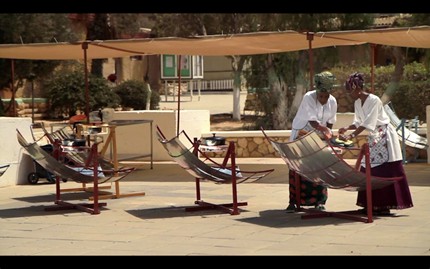
BS: The vision turned out to be quite comparable to our finished piece. We wanted to really tell the whole story of the village through the eyes of four main characters, each providing a different perspective. We planned for the elders to tell their personal stories in the USA, their journey, and the founding of the village. At the same time, we weave in the two young characters that were born there, joining the army, and integrating into Israeli society. The overall vision of the story came across well and leaves the audience informed with general aspects of the history of the founding, everyday life in the village, and the uncertainty of what will come next. If there is one thing I wish we could have captured more of the everyday life and interactions between people, but due to our budget and time constraints we had to rely heavily on other tools of storytelling.
PH: *Anything else you'd like to add? *
BS: We made this film really without any experience or budget. I didn’t learn one thing in film school that prepared me for what was to come during the making of this project. We just planned heavily, believed in the story, and dedicated our time and effort into creating our vision. Hard work and dedication is what made this happen. We really hope you check out the film, share, and enjoy!
**About Ben Schuder **
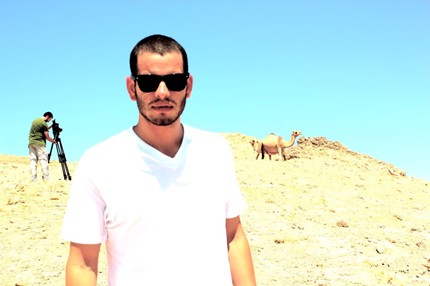
Ben Schuder is a filmmaker born in Oakland, CA. He attended Berkeley High School and joined a summer program where he participated in a documentary workshop in Morelia, Mexico. The objective was to teach students the art of documentary filmmaking, and the experience inspired him to pursue film school in Los Angeles, where he graduated with honors. Ben has been working in the industry and gaining valuable experience while deepening his portfolio. In 2013, Ben co-edited the feature-length narrative film LICKS (2013), which premiered at SXSW Film Festival, and he produced/ directed feature film The Village of Peace (2014) which premiered at Santa Barbara International Film Festival.
For more information about the film, visit: http://villageofpeacemovie.com/.