By TJ Leonard, CEO, VideoBlocks
When Nixon and Kennedy squared off during the first televised presidential debate in 1960, it changed American politics forever. Last year brought a similar transformation--this time in the form of unfiltered tweets. The demand for
So how does this translate to filmmaking, television, advertising, and beyond? What can we expect to see next in digital media?
We sought to answer these questions at VideoBlocks by diving into our 2016 data--56 million searches and 13 million downloads from our library of over 3 million videos uploaded by a global network of contributors. The results we found indicate a clear and continuous shift towards immersive formats and social-ready video production in 2017, and collectively underscore the hyper-realistic aesthetic that we expect to dominate the future of digital media.
The leading trends are summarized in this quick video
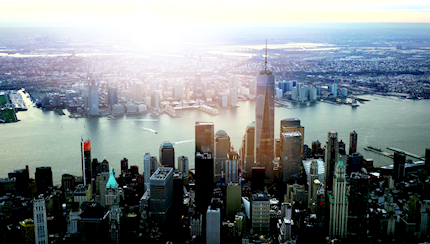
New video technology has opened fresh pathways for creators to capture the world and for consumers to experience it. Virtual reality and 360° video (+814%) are making huge leaps forward, with Adobe Premier introducing VR editing tools and Facebook upping its bet on Oculus Rift. Whether seeking escape to a tropical beach or watching a boxing match from inside the ring, producers are transporting users into moments that feel first-person.
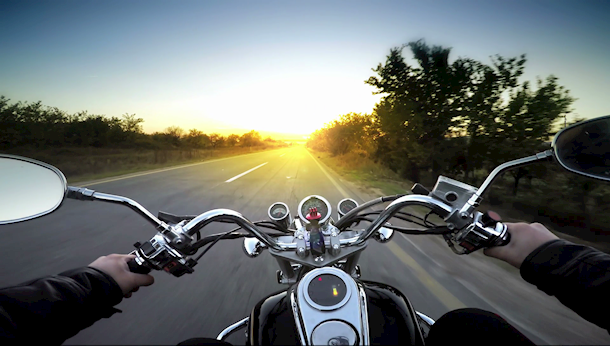
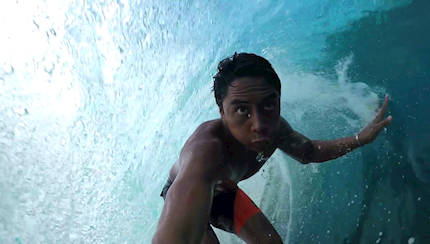
The same idea applies to the massive surge in searches for POV footage (+1250%) last year. Have you ever wondered what the view is like from inside a breaking wave or when falling towards the Earth from 18K feet? This style of video gives audiences the up-close-and-personal experience of pro surfers, skydivers, race car drivers, and other daredevils--a perspective that is now much easier to film thanks to high-quality mobile cameras. The proliferation of drone videos (+712%) echoes this demand for a new POV. Despite regulations from the FAA and agencies abroad, you no longer need a helicopter or crane to film breathtaking aerial shots of most cities and scenery--a boon for freelancers and small production houses, who once faced expensive blockades to this type of footage.
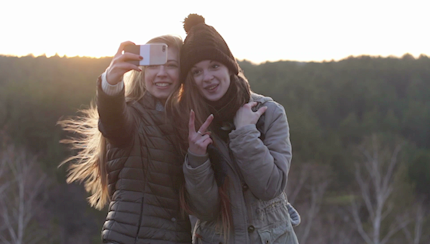
On top of the hardware behind a hyper-real, first-person aesthetic, social media and other streaming platforms are disrupting the traditions of content production from the TV era. Audiences expect immediate, authentic, and emotive content. Unless you’ve chosen to opt out of social media altogether, this should sound familiar. We share the happiest and saddest moments of our lives with our followers--giving a selective, yet intensely personal, peek into our realities. That’s why family (+336%), selfie (+270%), and lifestyle (+185%) all surfaced among our top video trends. We respond to imagery that reflects the people and
Millennials are now entering their 30s, which makes Snapchat, Buzzfeed, and Netflix as mainstream as email, network news, and movie theaters. Clients and customers want content that more closely mimics the composition of our social feeds than the third-person, airbrushed aesthetic that once ruled the media. While this presents exciting new opportunities for artists and advertisers alike, it concurrently brings challenges to the doorstep of brands that resist adapting to new demands in digital production. In the ‘60s, television alone was a revolutionary channel, but the future belongs to hyper-realistic social content--a lesson that rings true all the way to the White House.
**About TJ Leonard **
TJ Leonard is the CEO of VideoBlocks, which empowers the creative community by providing premium stock media at prices all creators can afford. Prior to his current role, Leonard led the marketing team at VideoBlocks as CMO for two plus years and has driven customer growth, retention and monetization for consumer internet and mobile businesses for the last decade and a half.