by Jessica Nin
Manos Sucias -- exclusively shot on the Canon Cinema EOS C300 --is about to debut at Tribeca Film Festival (April 16-27); this Spike Lee, executive produced feature will raise your pulse with its authentic and heartbreaking portrayal of narco-trafficking in Colombia and impress you with its subtly gorgeous cinematography.
The film also has an extremely unique behind-the-scenes story. The filmmakers held a five-week storytelling workshop during pre-production for Buenaventura residents to build lasting, sustainable skills among the community. We were able to get an inside look on the film from it's director Josef Wladyka and cinematographer/co-writer Alan Blanco right before the film is featured at this years film fest.
**
- Why did you choose to film with the Canon EOS C300 on this specific production?**
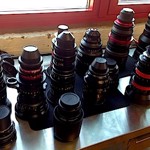
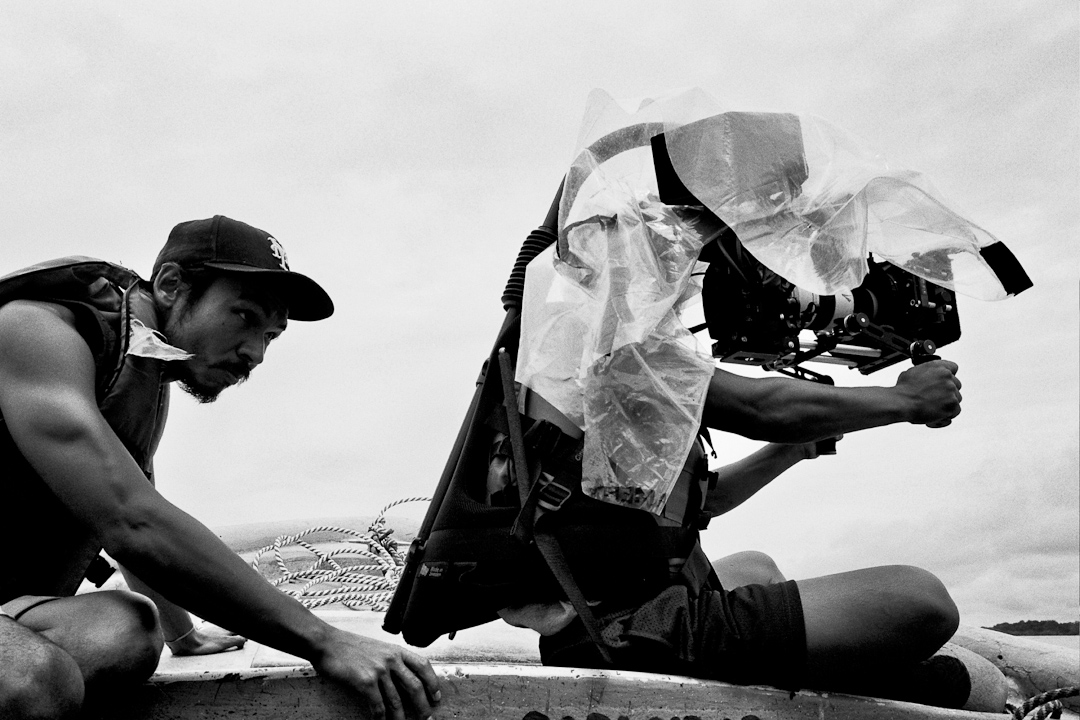
We were fortunate to receive the Canon Filmmaker Award through Film Independent. We were awarded two C300 bodies and several of Canon's cine prime lenses. It was the right camera that produced a beautiful cinematic image but was light and versatile allowing us to shoot in uncontrollable locations.
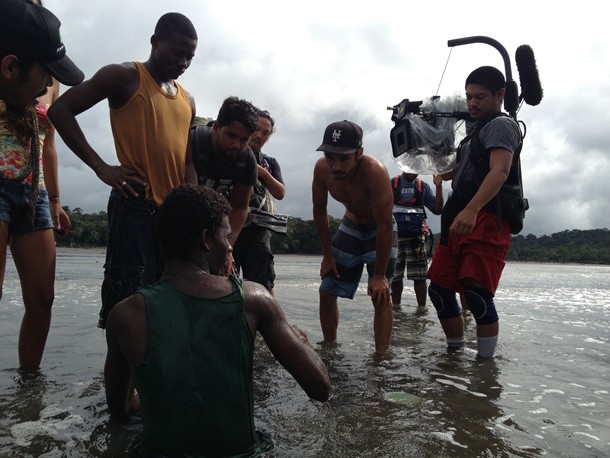
With a small camera package and stripped down crew we travelled mostly on foot through beaches, rain forests, and the dense neighborhoods of Buenaventura which would not have been possible otherwise.
*** Where did the idea for this film come from? What was your vision when shooting this film & what do you want Tribeca viewers to take away from it?**
The idea for the film first sparked when Josef was traveling through South America with a close friend. The two were cruising up the pacific coast of Ecuador and Colombia and started to hear stories from the local fisherman about how the drug trade affects their communities and everyday lives. And stories of people going on go-fast boats, narco submarines, and hiding bales of cocaine in fishing boats heading towards Panama. We knew immediately there was an important story to be told. As Josef went through the graduate film program at NYU, he continued to travel back to the Pacific Coast of Colombia with a native from the area. He gathered more stories that eventually became the plot and characters of Manos Sucias.
Our vision was to drop the audience into the action and into these locations giving a sense of immediacy and urgency. Most of the locations are unknown to the world and we hope the film offers a small glimpse. This is a part of the drug trade that is rarely represented in film and media and we hope the film leaves the audiences at Tribeca thinking and asking questions. Currently, there are a protests going on in Buenaventura asking the government to help stop the Violence there. We hope our film helps to start an international dialogue about this region of Colombia.
*** With Spike Lee as Executive Producer, what additional motivation did that add to your work while filming this movie? How did he assist with the film?**
We knew we were telling a story that Spike would connect with. He was fascinated by the faces and people of these places. After presenting a fine cut to him, he felt comfortable coming on board as our presenter and as an executive producer, but he had been a mentor for the project for several years. He read scripts and gave his insight into how to make the movie happen. Spike continues to be an inspiration to us and a supporter of up-and-coming filmmakers.
*** What was it like shooting in Buenaventura and what challenges were faced while shooting? Were there safety issues of any kind?**
We could not have shot this film without the generosity and hospitality of the people of Buenaventura. The access to these neighborhoods and regions were integral in obtaining the level of authenticity we wanted. We needed to build trust within the communities. One of the ways we accomplished this was by doing filmmaker workshops for residents as a way of getting to know us and what we were trying to accomplish.
Because of the unpredictable nature of some of these locations, our shooting style had to allow for flexibility. We didn't have the typical resources of many feature films from equipment to crew. Also, shooting in boats on the uncontrollable Pacific made framing and blocking difficult.
Shooting in Buenaventura was a risky proposition in many ways but as a team we were committed to seeking the utmost authenticity in telling this story. We wanted to open a window into a world most people haven't seen before and honor the real lives that these characters were inspired by. Our producers, Elena Greenlee and Márcia Nunes did everything possible to provide a safe space for us to concentrate on capturing the amazing performances of our leads. The most important thing was forging a strong relationship with the community leaders and the residents of neighborhoods and towns where we wanted to shoot. All of our locations became available to us through collaborations with actors or crew members who lived in them. Though there were moments where we felt tension we don't like to sensationalize the dangers that we faced as a crew because while we choose to go to Buenaventura to make this movie, and we got to leave after production, the people in the communities we worked with negotiate this danger and much more everyday and that's the real story we are trying to tell.

*** Were there other important pieces of equipment used along with the Canon EOS C300 while filming? If so, what were they & how did they help capture what you envisioned?**
Working with mostly the sun as our light source we knew we needed fast, power cheap, battery operated, lighting fixtures we could trek through the jungle with. With the exception of a few practicals our entire light package consisted of two 1x1 LED panels that added edge or fill as we needed. With these two panels we could be sure to capture the wonderful details in the actors faces and performances.
*** What's something about this film and its production that most people might not know?**
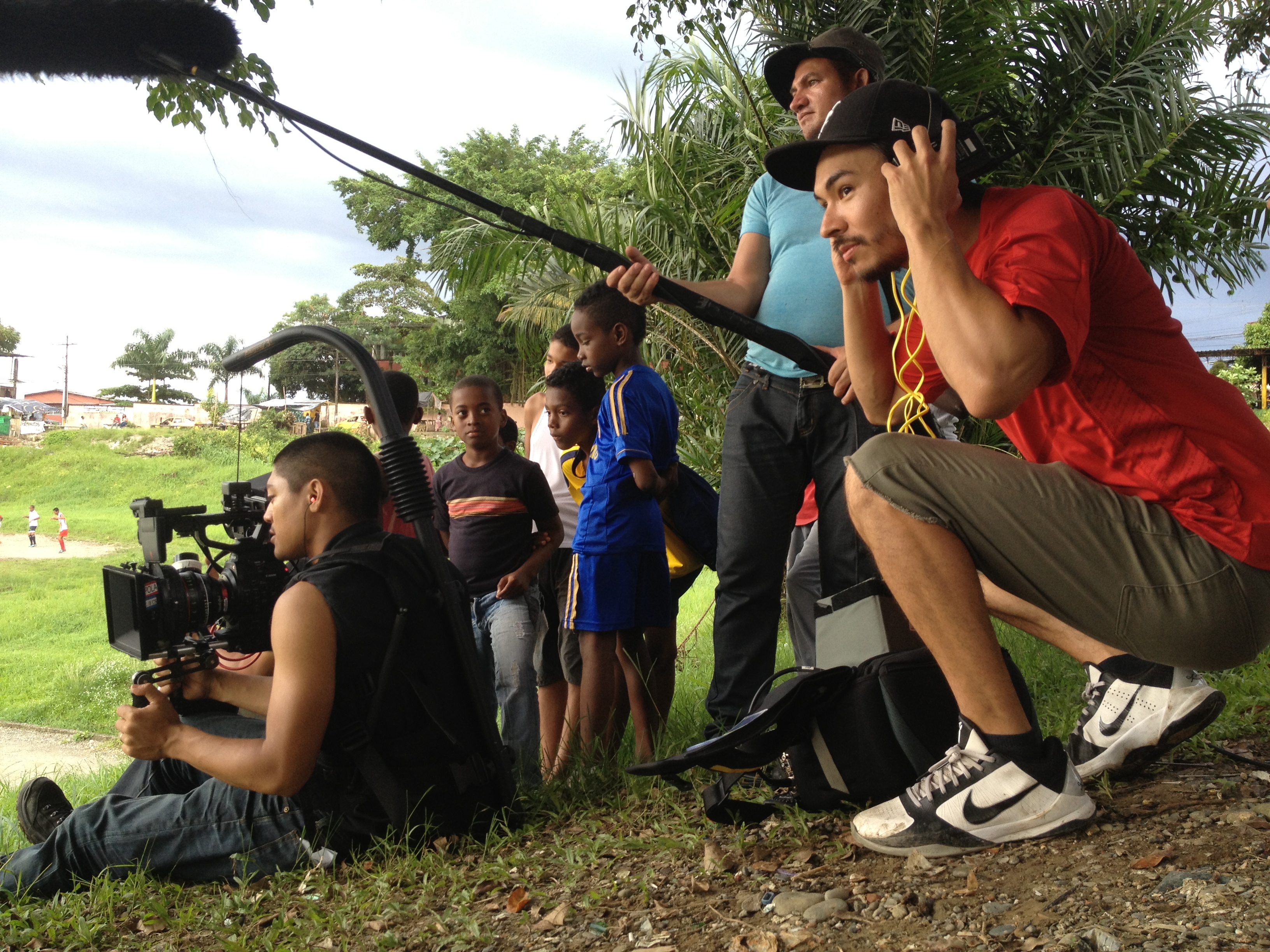
Most people outside of Colombia don't know much about Buenaventura. As the largest port in Colombia, it's a small city, but an enormous hub of international trade. However, the local community is excluded from that economy, and, in fact, many people have been displaced by the port development. During pre-production, we held digital filmmaking workshops to empower the local people to keep telling their own stories with simple tools like cellphone cameras. We also ended up hiring a lot of our crew from the students in these workshops. Almost all the cast and much of the crew live in Buenaventura, and, despite our different backgrounds, throughout the process of making the film we became our own kind of family.
**
- What is one of your favorite memories while shooting this film? Why?**
One of our favorite memories was when we filmed the choque dance sequence. It was one of those magical days of shooting when everyone was in a good mood and things were flowing. We shot in Barrio El Jardin and so many locals came out to watch the process. We also put a lot of them into the film while shooting the sequence. It's a day of shooting we will remember forever.
*** What piece of advice would you offer filmmakers trying to create work worthy of being shown during the Tribeca Film Festival?**
Constantly move forward with your project even if it's small steps at a time. People don't jump on board unless they think you are going somewhere. Constantly make stuff. Don't give up. Keep honing your craft. It takes time… it's a marathon not a sprint.