- Research your subjects.
- Do your research.
- Conduct a pre-interview. By phone if possible- make recording with permission. - (distancing / little more Intel) , gives you personal connection before you get on set. Find out the stories you don't want on camera.
- Get to know your subjects. - Talk to validators, read articles, blogs, book summaries. Feel you know them. Learn their views, biases, concerns.
Plan your purpose: what is the goal of the interview?
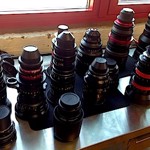
Role of the DP: with director/producer, select best camera package, audio great, lighting strategy. Also consider: how many cameras? What kind? Which lenses? Accessories (batteries, media. Etc) are needed? Post production considerations?
What's the workflow? 3 2 1 system (card or original, offload to laptop, then copy to coworker. )
**Plan your style: **
Informal vs formal/professional vs personal vs adversarial/planned or improvised/standing, sitting, active (while cooking if a chef, etc)- studio, street, home, office. - off camera or direct.
If it's a sitting interview, bring in chair if at an office. Can rent chairs from real estate staging companies.
If noisy, do a separate cutaway. If we don't see the problem it's worse sometimes.
**Pre-production:**Know your location. Setting is a character. If you can't scout, use tools like OpenstreetMap or Google street pro.
Plan ahead for obstacles. Busy times of day, permits, etc. Have a primary and optional location. E.g. if shooting in hospitals, crew is not their primary concern obviously.
Releases: appearances, location (buildings can be copyrighted, sculptures, logos on shirts, etc) research "fair use for filmmakers."
ASMP.org is a helpful resource.
Time planning: 1 min. Of decent footage sometimes is 20 mins of footage.
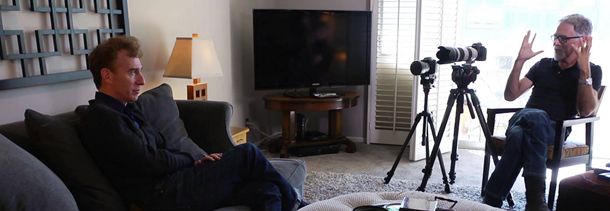
image courtesy of lensvid.com